
Concrete Driveway Installation in Denver, Colorado: Complete Homeowner's Guide
By Barron Concrete Inc. · Published
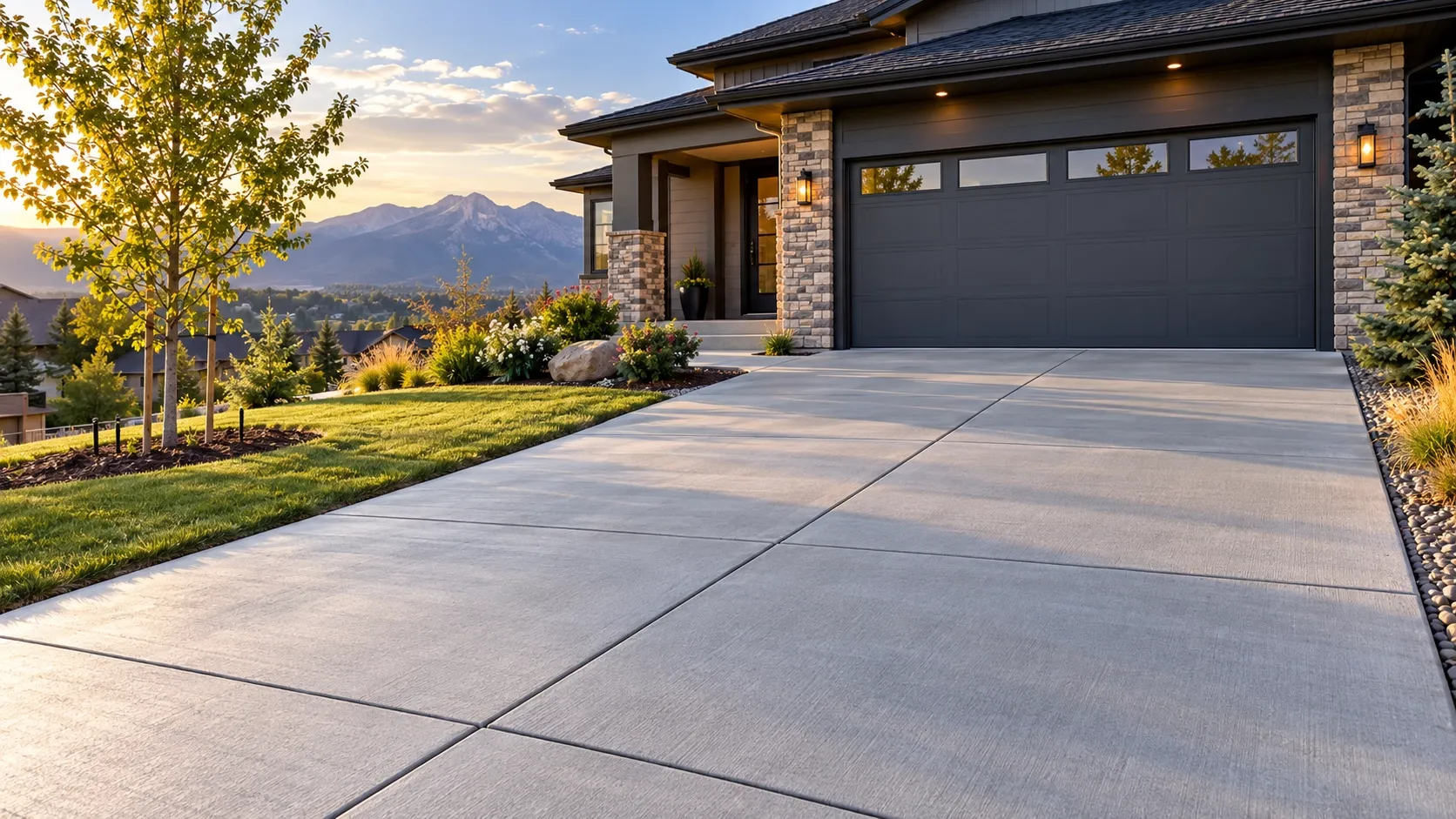
Installing a new concrete driveway is an important investment in your home. A properly installed driveway can improve curb appeal, provide a durable parking surface, and offer decades of dependable use.
However, successful concrete driveway installation in Denver, Colorado, requires more than pouring concrete. Site preparation, drainage, reinforcement, finishing, and curing all influence the final result.
At Barron Concrete Inc., a concrete contractor in Denver, we serve homeowners and businesses throughout the Denver metro area. Our team brings more than 40 years of combined experience to residential and commercial concrete projects.
This guide explains the concrete driveway installation process, typical costs, and what Denver homeowners should know before starting construction. For pricing, see our guide to the concrete driveway cost in Denver. Our concrete driveway installation services in Denver cover new driveways and replacements for residential properties.
Ready to plan your project? You can request a concrete driveway estimate from our team.
Request a Concrete Driveway Estimate
Why Choose a Concrete Driveway for Your Denver Home?
Concrete is a popular driveway material because of its durability, appearance, and versatility.
Long-Term Durability
A properly installed and maintained concrete driveway can often last 25–30 years or longer. Actual service life depends on construction quality, weather exposure, drainage, and maintenance.
Low Maintenance
Concrete generally requires relatively little routine maintenance. Regular cleaning, appropriate winter care, and timely repairs can help protect the surface.
Improved Curb Appeal
A professionally finished driveway creates a clean appearance that complements your home's exterior.
Homeowners can choose traditional broom finishes or decorative options.
Design Flexibility
Concrete driveways can accommodate different property layouts, dimensions, and finishes.
Step-by-Step Concrete Driveway Installation Process
Understanding the installation process helps homeowners evaluate contractors and prepare for their projects.
Step 1: Site Evaluation
Before installation, the contractor evaluates the property.
Important considerations include:
- Driveway dimensions.
- Soil conditions.
- Existing concrete.
- Drainage and slope.
- Vehicle access.
- Expected vehicle loads.
- Applicable permits.
Proper planning helps identify potential problems before construction begins. If you are weighing a new driveway against fixing the current one, read our article on concrete driveway repair vs. replacement in Denver.
Step 2: Excavation and Preparation
The installation area is prepared by removing vegetation, unsuitable soil, or existing pavement.
Excavation depth depends on the planned concrete thickness, base requirements, and site conditions.
A stable foundation is essential for long-term driveway performance.
Step 3: Base Installation
Depending on the project, contractors may install and compact a suitable granular base.
Proper compaction helps support the slab and reduce uneven settlement.
Inadequate preparation can contribute to cracking and premature deterioration.
Step 4: Forms and Reinforcement
Forms establish the driveway's dimensions, edges, and elevation.
Depending on the design, reinforcement may include steel reinforcing bars or welded wire reinforcement.
Reinforcement requirements vary according to soil conditions, vehicle loads, and project specifications.
Step 5: Concrete Placement
Once preparation is complete, concrete is delivered and placed within the forms.
The contractor distributes and consolidates the concrete as appropriate to achieve the required thickness and elevation.
Weather conditions and concrete mixture properties can influence placement.
Step 6: Finishing
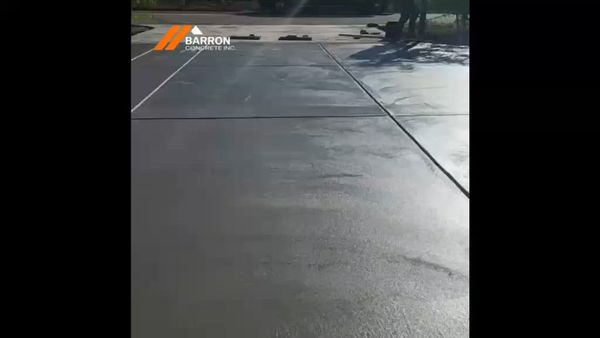
After placement, the concrete is leveled and finished.
A broom finish is common for residential driveways because it provides texture and traction.
Decorative finishes may also be available.
Step 7: Control Joints
Concrete naturally shrinks as it cures.
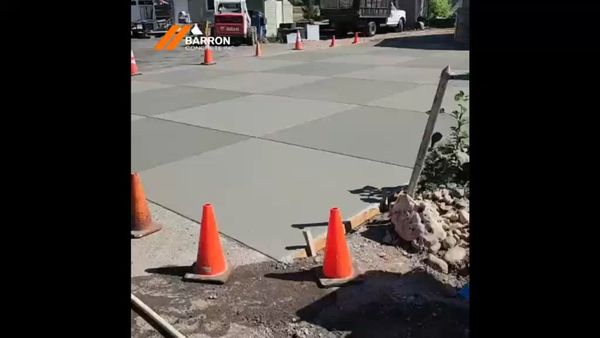
Control joints help manage where shrinkage-related cracking occurs.
Proper joint placement is important, although no concrete driveway can be guaranteed completely crack-free.
Step 8: Curing
Curing helps concrete develop strength and durability.
The contractor should use appropriate curing practices and explain when the driveway can safely support pedestrian and vehicle traffic.
How Thick Should a Concrete Driveway Be?
Many residential concrete driveways use approximately four inches of concrete.
However, the appropriate thickness depends on:
- Expected vehicle weight.
- Soil stability.
- Base preparation.
- Reinforcement.
- Applicable construction requirements.
Driveways supporting heavy trucks, trailers, or recreational vehicles may require different specifications.
An experienced contractor should evaluate these factors before recommending a design. When you compare bids, review what a concrete contractor's estimate should include.
Why Drainage Matters for Concrete Driveways in Denver
Proper drainage is essential for driveway performance.
Water accumulating on or beneath concrete can contribute to soil erosion, settlement, and surface deterioration.
Denver's winter freeze-thaw cycles make drainage particularly important.
A properly planned driveway should direct water away from vulnerable areas, including garages and foundations.
Depending on the property, contractors may need to adjust grading or incorporate drainage improvements.
How Denver's Climate Affects Concrete Driveway Installation
Denver's weather presents several challenges for concrete construction.
Planning a new driveway? Request a concrete driveway estimate from Barron Concrete Inc.
Planning a concrete project in Denver?
Contact Barron Concrete Inc. to discuss your property, project goals, and finish options.
Related articles
- How Much Does a Concrete Driveway Cost in Denver, Colorado? (2026 Price Guide)
Discover how much a concrete driveway costs in Denver in 2026, including installation prices, replacement expenses, and factors that affect your project.
- How to Choose a Concrete Contractor in Denver: Questions to Ask Before Hiring
Hiring a concrete contractor in Denver? Learn what to ask about estimates, preparation, drainage, insurance, and scheduling before choosing a contractor.
- How Much Does Concrete Work Cost in Denver? What Affects Your Estimate
What affects concrete work costs in Denver? Learn how project size, demolition, access, preparation, and finishes influence your concrete estimate.
- Concrete Driveway Repair vs. Replacement in Denver: Which Do You Need?
Repair or replace your Denver concrete driveway? Compare cracks, settlement, surface damage, and costs with guidance from Barron Concrete Inc.
- What Should a Concrete Contractor’s Estimate Include? A Denver Homeowner’s Checklist
Compare concrete estimates in Denver with a checklist covering preparation, materials, drainage, finishes, payment terms, and exclusions.