
How Much Does Concrete Work Cost in Denver? What Affects Your Estimate
By Barron Concrete Inc. · Published
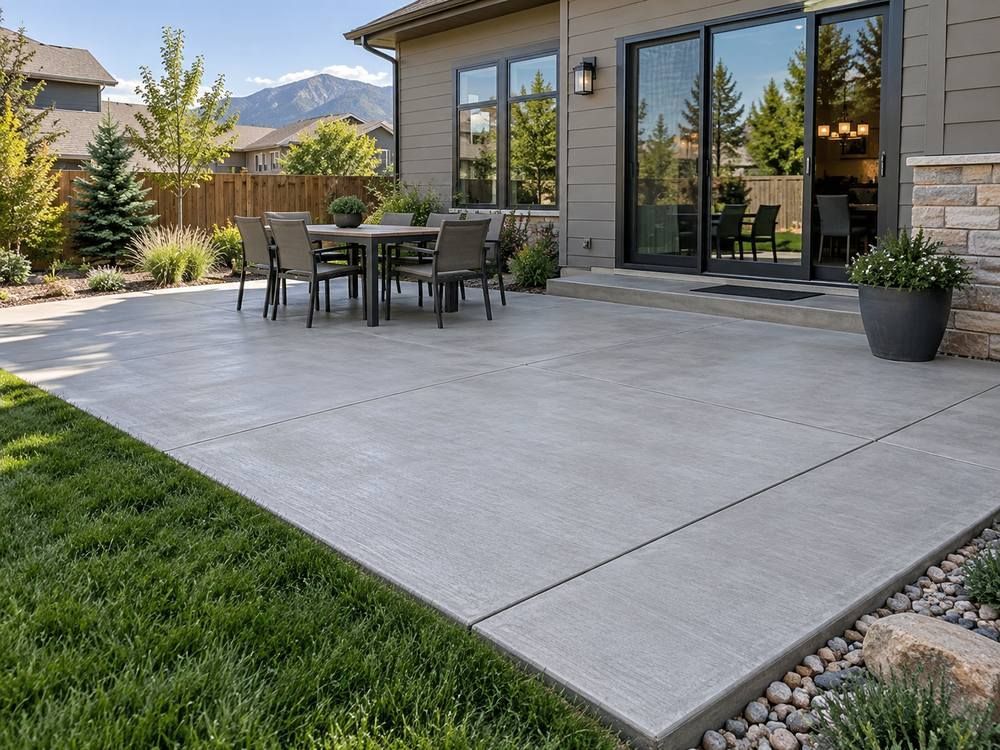
If you’re planning a new driveway, patio, walkway, or slab, one of your first questions is probably: “How much will the concrete work cost?”
The answer depends on more than square footage. Removing old concrete, accessing the work area, preparing the ground, and choosing a finish can all affect your estimate.
When you contact a concrete contractor in Denver, a useful quote should explain the proposed work and what is included. This guide covers the main factors to consider so you can plan your budget and compare estimates more confidently.
Before comparing bids, read our guide to choosing a concrete contractor in Denver.
Why There Isn’t One Price for Every Concrete Project
Two concrete projects of the same size can require different amounts of labor, equipment, and preparation.
For example, replacing a driveway with easy access is different from installing a backyard patio where workers must move materials through a narrow side entrance. A decorative surface also involves different work than a basic finish.
A price per square foot can be helpful, but only when you understand the scope behind it. Before comparing numbers, make sure each contractor is estimating the same project.
1. Project Size and Layout
The total area is an important starting point. A contractor will measure the planned surface and review its shape, intended use, and connection to existing structures.
A simple rectangular slab may be more straightforward to form and finish than a project with curves, steps, borders, or several separate sections.
Smaller projects can also have a higher cost per square foot because equipment, deliveries, and crew setup are still needed.
Ask your contractor: What measurements and layout are included in this estimate?
2. Removing and Disposing of Existing Concrete
Replacing concrete involves work that a new installation on an open site may not require.
The contractor may need to break up the existing surface, load the debris, haul it away, and prepare the exposed area. The thickness and reinforcement of the old concrete can affect how much work removal requires.
Make sure the estimate states whether demolition and disposal are included. Also ask whether nearby landscaping, fencing, or other surfaces will need protection or temporary removal.
Ask your contractor: Does the price include removing and hauling away all existing concrete within the project area?
3. Excavation and Base Preparation
The ground beneath the concrete is part of the project, even though you won’t see it afterward.
Depending on site conditions, the work may include excavation, removal of unsuitable material, placement of base material, and compaction. Existing elevations and the intended use of the slab also affect the preparation plan.
An estimate should describe the proposed preparation and explain how unexpected conditions will be handled.
Ask your contractor: What base preparation is included, and how would additional excavation be priced and approved?
4. Concrete Thickness and Reinforcement
A patio, walkway, and vehicle driveway may have different design requirements.
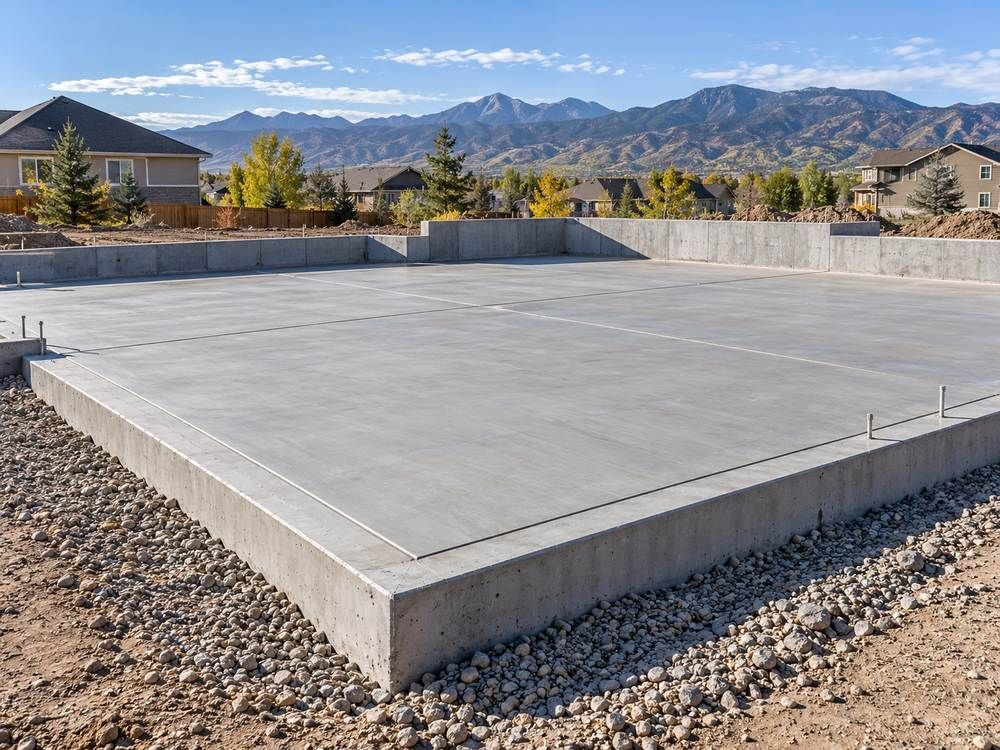
The proposed thickness, concrete specification, and reinforcement should reflect the project’s intended use and any applicable plans or requirements. These choices affect material quantities and installation work.
Avoid comparing estimates based only on surface area if they specify different slab thicknesses or reinforcement.
Ask your contractor: What thickness and reinforcement are included, and why are they appropriate for this project?
5. Access to the Work Area
Access can make a meaningful difference in the cost of concrete work.
A front driveway may allow equipment and deliveries close to the installation area. A backyard project might require a longer route, smaller equipment, additional labor, or concrete pumping.
Discuss narrow gates, slopes, overhead obstacles, parking restrictions, and areas that need protection during your site visit.
Ask your contractor: Does access require special equipment or additional labor, and is that included in the quote?
6. Finish and Decorative Features
Your chosen finish affects both the appearance of the concrete and the work involved.
A basic finish, stamped pattern, colored surface, decorative border, or custom layout can require different materials, tools, and installation steps.
If you’re considering decorative concrete, request examples and make sure the estimate identifies the selected finish. Clarify whether related work, such as sealing where specified, is included.
Ask your contractor: Can you provide separate prices for the finish options I’m considering?
7. Drainage and Connections to Existing Surfaces
New concrete needs to work with the surrounding property.
A driveway may need to meet an existing garage floor and sidewalk. A patio may connect to a door threshold, steps, or an older concrete surface. These details can affect elevations, layout, and the amount of preparation required.
Ask the contractor to explain the proposed drainage approach and identify any concerns before work begins.
Ask your contractor: Does the estimate include the grading and transitions needed for the planned layout?
8. Cleanup and Restoration
Find out what the property will look like when the crew finishes.
Concrete installation can disturb adjacent soil, gravel, or landscaping. Some proposals include limited restoration, while others cover only the concrete work and construction cleanup.
Clarify responsibilities for replacing soil, repairing irrigation, restoring landscaping, or addressing other affected areas.
Ask your contractor: What cleanup and restoration are included, and what will remain my responsibility?
How to Compare Concrete Estimates in Denver
Before choosing a contractor, compare the written scope alongside the total price.
Check that each proposal addresses:
- Project dimensions and layout.
- Demolition and disposal.
- Excavation and base preparation.
- Concrete thickness and reinforcement.
- Finish and decorative features.
- Access and equipment requirements.
- Drainage and connections.
- Cleanup and restoration.
- Payment terms and approval of additional work.
If one estimate is substantially lower, ask what accounts for the difference. It may reflect a different scope, specification, or assumption about the site.
The goal is to understand what each price buys.
How to Plan Your Budget
Start by identifying what you need the project to accomplish. Consider the area you want to improve, how it will be used, and which features matter most.
Share your budget with the contractor and ask for clearly separated options. For example, you might compare a basic patio finish with a decorative alternative or request separate pricing for an adjoining walkway.
Photos and approximate measurements can help begin the conversation. A site assessment allows the contractor to evaluate conditions that may not be visible in pictures.
Request a Concrete Estimate from Barron Concrete Inc.
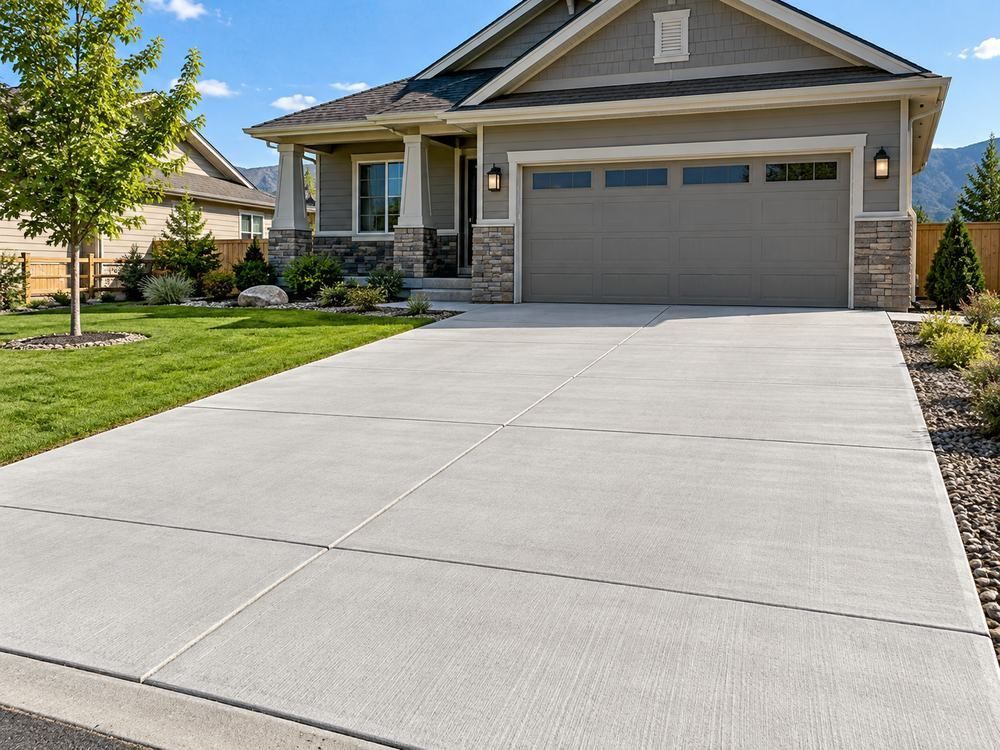
Barron Concrete Inc. serves Denver and surrounding communities with concrete driveways, concrete patios, walkways, slabs, and repair services.
Owner Luis Barrón is a second-generation concrete professional whose family has worked in the trade for about 40 years.
If you’re looking for a concrete contractor in Denver, contact Barron Concrete to discuss your property, project goals, and finish options.
Call (702) 656-0083 or request an estimate through our website.
Planning a concrete project in Denver?
Contact Barron Concrete Inc. to discuss your property, project goals, and finish options.
Related articles
- How to Choose a Concrete Contractor in Denver: Questions to Ask Before Hiring
Hiring a concrete contractor in Denver? Learn what to ask about estimates, preparation, drainage, insurance, and scheduling before choosing a contractor.